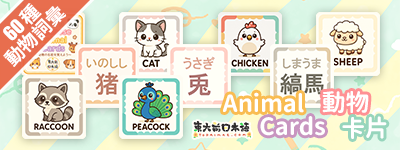
Want to learn Japanese well? Accurate pronunciation is the most important first step! Todaimae has prepared this brand-new Interactive Hiragana Chart for beginners and parents. Every hiragana character and everyday vocabulary word in the chart is recorded by our Japanese teachers. Feel free to tap any letter below and listen to energetic, authentic native Japanese pronunciation—paired with lively illustrations so adults and children alike can memorize the gojuon with ease!
1) Picture association: Don't just rote-memorize! Like in our chart, link the cute 「あり (ant)」 with the character 「あ」. For toddlers in their sensory golden years, or adults just starting out, visual images stimulate the brain and make memories several times stronger.
2) Read aloud: After each tap and listen to the teacher's pronunciation, immediately repeat it out loud. The recordings are carefully tuned for clear lip and tooth sounds—helping fix the common pronunciation mistakes Chinese speakers often make when learning Japanese.
3) Daily challenges: There are 46 basic sounds in the gojuon. Trying to memorize them all in one night often leads to giving up halfway. Set a small daily goal for yourself or your child—for example, focus only on the 「あ」 row and 「か」 row today—and build up step by step.
Why do Chinese speakers often pick up Japanese so quickly? Because every hiragana character evolved from ancient Chinese cursive kanji! Todaimae has compiled a Hiragana Kanji Origin Chart. Use your mother-tongue advantage: connect each character to its original kanji shape and reading, and you'll find memorizing the gojuon surprisingly easy!
| Row | A-column (a) | I-column (i) | U-column (u) | E-column (e) | O-column (o) |
|---|---|---|---|---|---|
| あ行 | あ (安) | い (以) | う (宇) | え (衣) | お (於) |
| か行 | か (加) | き (幾) | く (久) | け (計) | こ (己) |
| さ行 | さ (左) | し (之) | す (寸) | せ (世) | そ (曾) |
| た行 | た (太) | ち (知) | つ (川) | て (天) | と (止) |
| な行 | な (奈) | に (仁) | ぬ (奴) | ね (祢) | の (乃) |
| は行 | は (波) | ひ (比) | ふ (不) | へ (部) | ほ (保) |
| ま行 | ま (末) | み (美) | む (武) | め (女) | も (毛) |
| や行 | や (也) | ゆ (由) | よ (與) | ||
| ら行 | ら (良) | り (利) | る (留) | れ (礼) | ろ (呂) |
| わ行 | わ (和) | を (遠) | |||
| ん | ん (无) |
1. How should I use this complete gojuon chart? Treat it like a free Japanese kana app: pick one or two rows each day, tap to hear the pronunciation, then practice writing the characters by hand—building reading, writing, and listening memory step by step.
2. When you need to copy hiragana into notes or messages, first confirm the character on the chart, then type with a Japanese keyboard to avoid mixing up look-alike kana. While studying, you can also compare with the katakana chart to see how the same sound is written in both systems.
3. Some people search for "hiragana kanji"—hiragana are not kanji themselves, but evolved from cursive Chinese characters. The origin chart above lists the source character for each hiragana, helping you use familiar kanji shapes to deepen your memory.


Todaimae offers Japanese courses from JLPT N5 to N1, covering beginner through advanced levels. Experienced instructors teach in an interactive environment to strengthen reading, writing, listening, and speaking. Choose in-person classes or live online lessons to fit your schedule—whether you are preparing for the JLPT, advancing your career, or getting ready for life in Japan.